

Anshu Tang. New Chinese-style reduction.
Teaching Philosophy
Anshutang not only teaches students "how to do it", but also emphasizes whether students understand "why to do it".
Through small class sizes, personal instruction from teachers, complete hands-on practice, and individual corrections, we help students truly master technical details, safety concepts, and practical application skills. We ensure that what they learn goes beyond classroom exercises. We hope that every student who graduates from Anshutang will carry professionalism, confidence, and responsibility with them and apply what they have learned to their future career development.
Anshu Hall. Correction and Restoration Teachings.
Pay attention to technical details and operational quality
Professionalism is more than just completing a set procedure; it's about every hand position, angle, direction of force, and rhythm of operation. The course breaks down and explains the techniques, helping students develop meticulous and consistent operational skills.
Emphasizing safety concepts and professional ethics
Do not overemphasize force or effect; pay attention to operational boundaries, risk awareness, customer experience, and service communication; and establish a responsible and professional attitude.
Emphasis on practical operation and situational application
The course incorporates common practical scenarios, enabling students not only to memorize standard actions but also to learn how to adjust the order, method, and pace of operations according to different needs.
The teacher personally guides each student.
Small class sizes allow teachers to monitor each student's learning progress and provide specific corrections for individual problems, rather than having students figure things out on their own after a demonstration.
Build professional skills step by step
From basic concepts and single-part operation to complete process integration, the learning is arranged step by step according to the learning schedule, so that even beginners can systematically build skills and confidence.
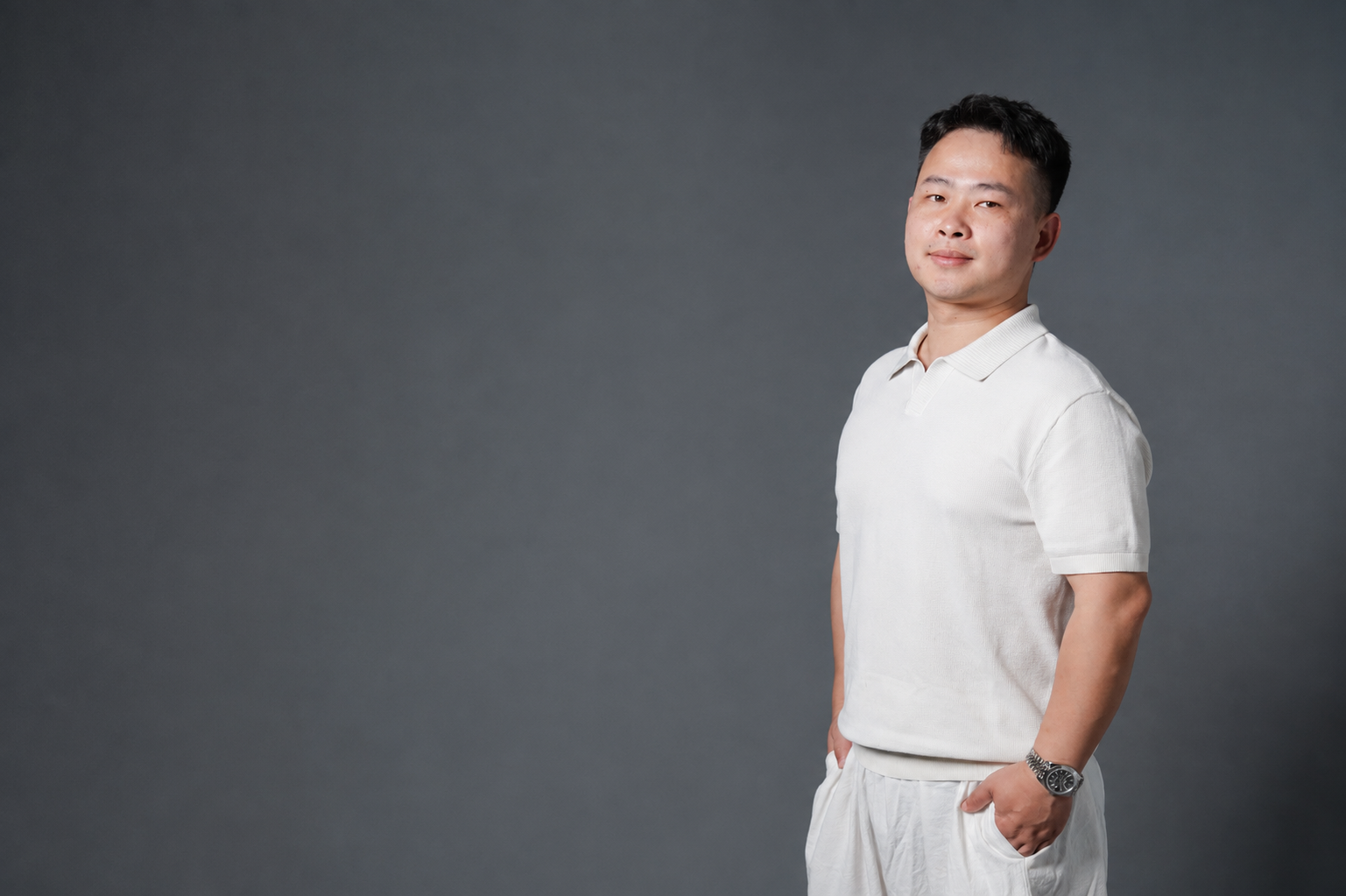
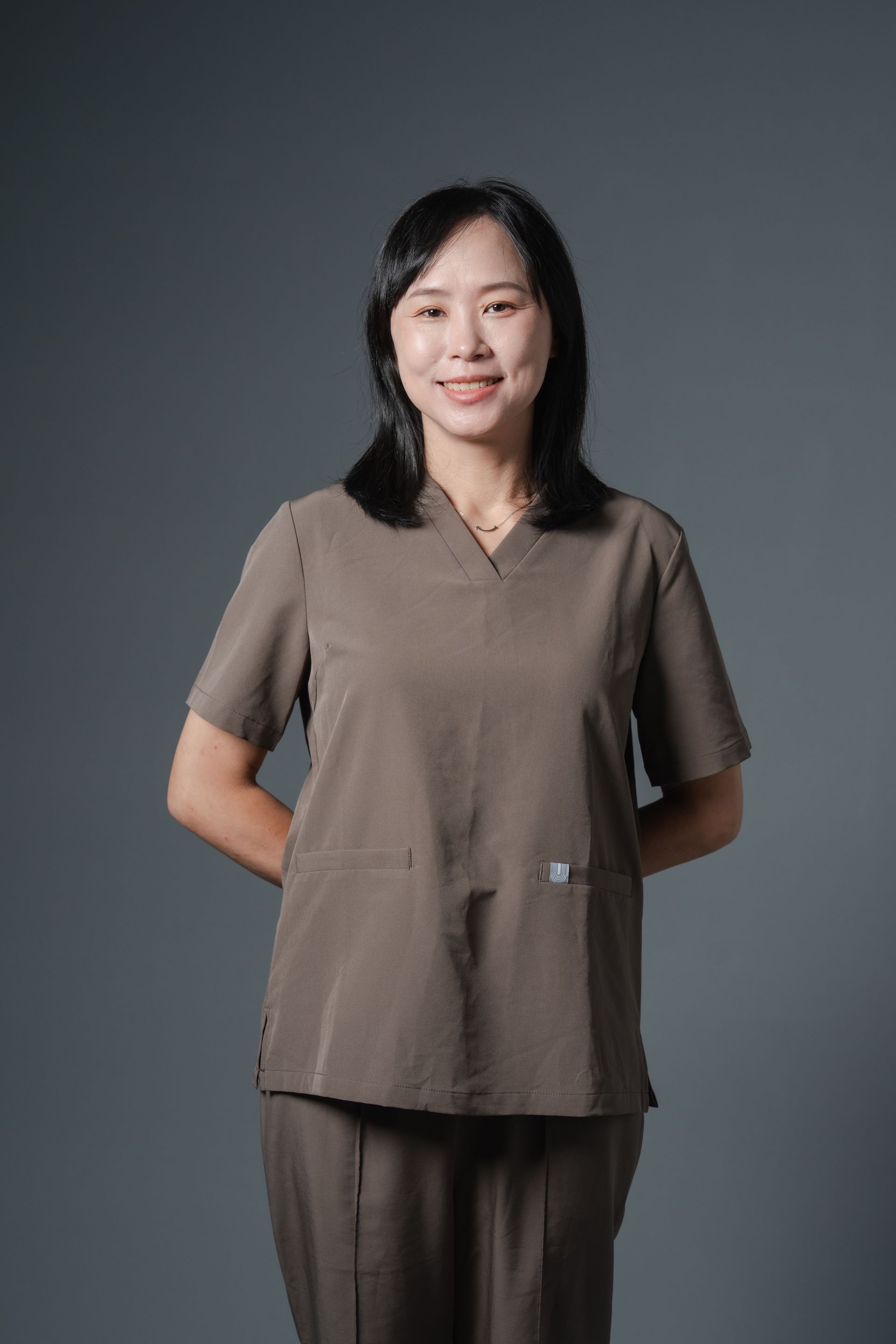
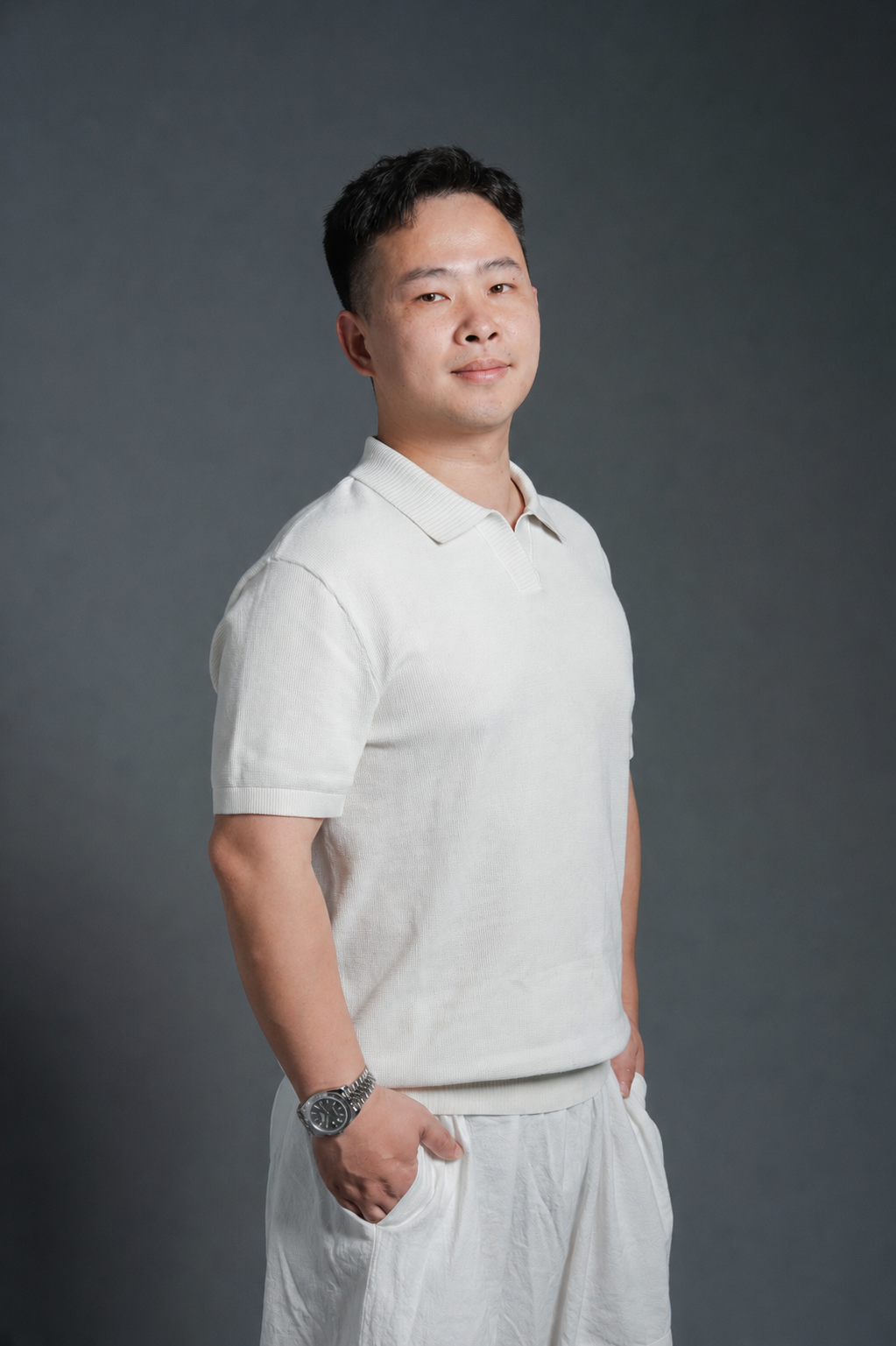
Anshutang - Professional Lecturer / Wang Jie
Anshutang Technical Director and Dean
Third-generation inheritor of Chinese-style sculpting techniques
Research and Teaching of New Chinese-Style Flexible Restoration Technology
Areas of expertise:
- New Chushiki Flexible Reduction
- Whole Body Posture Conditioning
- Pelvic balance adjustment
- Shoulder, neck, chest, back, waist and hip conditioning
- Personalized body assessment and conditioning plan
Course Features
Anshutang adopts a small class teaching system of 3 students, which allows teachers to fully grasp the learning situation of each student and provide near one-on-one guidance and correction according to individual techniques and force application issues.
One-on-one or small group classes of 3 students ensure a higher quality of learning.
By controlling the number of students in each class, each student can have sufficient practice time and receive more complete and detailed guidance from the teacher.
Emphasis on both theory and practice
From human anatomy, operating principles, and safety concepts to actual techniques, a complete learning foundation is established, enabling students to not only imitate movements but also understand the purpose of each step.
Each unit includes practical exercises.
The course not only explains the theory, but also arranges practical exercises for each technical unit to help students gradually become familiar with the process and feel through repeated operation.
Teachers provided on-site guidance one by one.
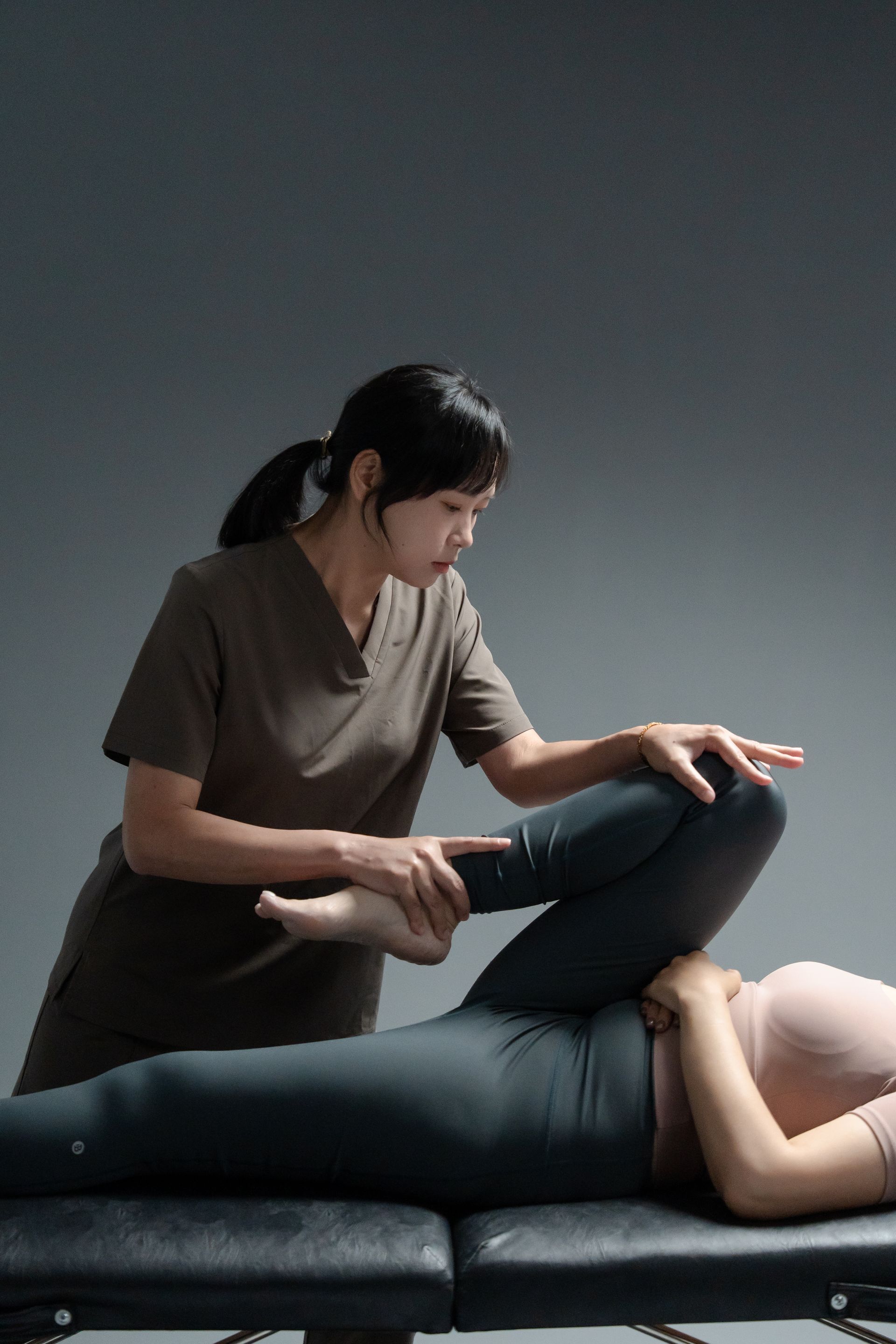
The instructor will observe each student's operation on-site and make adjustments and corrections to their posture, angle, hand position, direction of force, and rhythm of operation.
Emphasis on safety awareness and proper application of force
Special emphasis is placed on operational safety, physical assessment, and correct application of force in teaching, avoiding the pursuit of force alone, and cultivating stable, gentle, and safety-conscious operating habits.
Develop professional skills step by step
The course progresses from basic concepts and single-part operation to complete process integration, arranged step by step according to the learning schedule, helping even beginners to systematically build professional skills.
Combining clinical scenarios and practical experience
In addition to practice among students, practical cases and common situations will be used to explain how to flexibly adjust operating methods and service processes according to different needs.
Anshu Hall. New Chinese-Style Restoration Teachings
Anshutang does more than just teach students "how to do it".
We place greater emphasis on whether trainees understand "why they do it this way".
Through small class sizes, hands-on instruction, complete practice, and individual feedback, students are helped to truly master technical details, safety concepts, and practical application skills. This ensures that what they learn goes beyond classroom exercises and becomes a solid professional foundation for future continuous improvement.
The course not only presents the projects taught, but also focuses on whether trainees can truly understand the operating principles, master the complete process, and establish safe and stable practical skills after completing the training.
Upon completion of the basic course, students will be able to:
- Establishing basic human structure, muscle direction, and body biomechanics concepts
- Understanding the fundamental principles and operational logic of the new Chinese-style flexible restoration technology
- Familiarize yourself with pre-service needs assessment, basic observation, and operational precautions.
- Master the basic techniques for common areas such as the shoulders and neck, chest and back, waist and hips, and legs.
- Learn basic hand positions, operating angles, force direction, and body center of gravity usage.
- Be familiar with the complete treatment process from preliminary preparation, zoning operations to final cleansing.
- Establish correct, safe, and force-avoiding operational concepts.
- Able to adjust basic operating methods and service rhythm according to different physical conditions
- Establish the professional foundation required for further advanced learning and practical operation.
Basic Class
- Advanced techniques related to the pelvis, posture, and body balance
- Strengthen the concept of the connection between the pelvis, waist, hips, lower limbs and overall posture.
- Enhance the ability to observe the body, judge needs, and analyze problems.
- Able to plan appropriate operation sequence and focus according to different body characteristics
- Integrate what you've learned in the foundation course to design a more complete and logical service process.
- Improve the stability, precision, and overall smoothness of the operating technique.
- Learn how to flexibly adjust operating methods when facing different practical situations.
- Strengthen service communication, process arrangement and customer experience
- Enhance overall service quality, professionalism, and individual technical value.
Upon completion of the advanced course, students will be able to:
Advanced Class
Anshu Tang. New Chinese-style reduction.
Frequently Asked Questions (Q&A) about Teaching
Can I register even if I have absolutely no prior knowledge?
Yes. This course is designed for beginners. Whether you want to develop a second skill, plan a career change, or are interested in Neo-Chinese Aesthetic Massage, you can start with the basic class. The course will progress step by step, from basic human anatomy and body assessment to manual techniques, building complete professional skills.
What supplies do I need to prepare for the course?
Students only need to wear clothing that allows for easy movement; all other teaching materials, handouts, and practical equipment required for the class will be provided by Anshutang, allowing you to focus on your studies.
Is the course primarily theoretical, or will it include a significant amount of hands-on practice?
Anshutang employs a teaching method that emphasizes both theory and practice. Each unit includes explanations of concepts, teacher demonstrations, and hands-on practice for students, allowing you to not only understand the principles but also truly master the techniques.
Will the teacher personally guide and correct the operating techniques?
Yes. The course is taught in small classes, and the teacher will demonstrate throughout the entire process and observe each student's operation one by one, helping to correct posture, force application, and operational details to ensure that the learning direction is correct.
After completing the basic course, can I directly serve my relatives and friends?
After completing the basic course, you will have basic assessment and operational skills, and can assist family and friends in basic palliative care exercises within the scope taught in the course. If you wish to further enhance your professional skills, learn more advanced techniques and clinical applications, it is recommended that you continue to complete the advanced course.
What are the differences between the basic course and the advanced course?
The basic course focuses on establishing a complete foundation, including the concept of human anatomy, body assessment procedures, basic operating techniques, and safety concepts.
The advanced course delves into posture analysis, pelvic and body balance adjustment, diagnosis of complex problems, complete treatment procedures, and more clinical practice skills to help students improve their professional abilities and practical experience.
If I need to take a break during the course, can I make up the missed class?
Yes. If you are unable to attend due to special circumstances, please inform us in advance. We will provide make-up classes or assist with connecting to subsequent courses according to the course schedule to ensure uninterrupted learning.
Do I need to find practice partners myself?
Anshutang will help you find suitable practice partners. During the class, you can focus on following the teacher's instructions.
After completing the course, can I come back for refresher training or further studies?
Yes. Anshutang will offer advanced courses, thematic workshops, and refresher training activities from time to time to help students continuously improve their skills, update their concepts, and enhance their practical abilities.
After the course, is entrepreneurship or employment assistance provided?
Yes. We will share our experience in store management, customer service, brand building, marketing and promotion, and practical skills to help aspiring entrepreneurs avoid pitfalls. Outstanding students will also have the opportunity to participate in Anshutang's related collaborations or talent development programs.
Will I receive a certificate upon completion of the course?
Upon completion of the course and passing the course requirements, an Anshutang course completion certificate will be awarded as proof of completion of the training.
How many students are in class one?
Anshutang adopts small class teaching (maximum of 3 students per class), so that teachers can take care of each student's learning progress, correct their operating posture, force application method and details at any time, avoid the formation of bad habits, and improve learning efficiency and quality.
Are there opportunities for clinical practice during the course?
Yes, this is one of the teaching characteristics that Anshutang values most.
In addition to peer practice, we will provide clinical practice opportunities according to the course schedule, allowing students to learn how to interact with actual cases, conduct physical assessments, plan treatment procedures and operational techniques under the guidance of teachers.
We hope that after graduation, each student will not only learn the techniques, but also have the ability to judge and gain practical experience in dealing with different physical conditions.
After the course ends, can I still ask the teacher questions?
Can.
Anshutang values the growth of each student. After the course, if students encounter problems in practice or hands-on operation, they can still consult the teacher through designated methods to help clarify concepts and operational directions.
We hope to provide more than just a one-time course; we aim to continuously support our students' growth, enabling each student to apply what they have learned to practice with greater confidence.
Can I start my own business immediately after completing the course?
Yes, but we recommend accumulating practical experience first, and then planning your business according to your own goals.
In addition to technical training, Anshutang also shares its experience in brand building, customer service, store management, marketing and entrepreneurship, helping students establish a complete career path and improve their technical and business capabilities simultaneously.
Why choose Anshutang instead of other orthopedic courses?
Anshutang not only teaches techniques, but also emphasizes comprehensive professional development.
Our teaching features include:
* Small class sizes, with individual teacher guidance
* Emphasize both theory and practice, and learn step by step.
* Provides clinical practice opportunities to accumulate practical experience
* Emphasis on safety awareness, operational quality, and professional ethics
* Continued learning support after class
* Establish a complete new Chinese-style orthopedic rehabilitation teaching system to cultivate truly professional talents.
We hope that each student will take away not just technical skills, but a professional competence that is sufficient for long-term development.
Anshutang - Student Testimonials
Anshutang's teaching is very meticulous, which allowed me to learn the techniques of orthopedics in just three months!
I can now work independently, allowing me to use my skills to increase my income during my free time at home. The flexible work schedule is very satisfying; it allows me to help my family and friends with their health issues while also increasing my income.
Ms. Ke, new mother & housewife